An NFC Stand for Hotels That Enhances the Guest Experience With Instant Access
The NFC stand is the simplest upgrade most businesses overlook, and an NFC stand is exactly what turns intent into a one second tap. The An NFC Stand for Hotels That Enhances the Guest Experience With Instant Access delivers that NFC stand without the friction of a QR code or a verbal ask, so it belongs at the counter rather than in a drawer. If you run a hotel focused business, the An NFC Stand for Hotels That Enhances the Guest Experience With Instant Access is the single cheapest upgrade you can make this quarter. The NFC stand removes the one barrier that kills conversions online: friction. When a customer has to type a URL, hunt for your Google profile, or ask a staff member for the Wi-Fi password, most of them simply do not bother. A well placed NFC stand turns intention into a one second tap, and that tap is what feeds your review count, your follower base and your contact list while you stay busy serving people in real life. The broader shift here is the collapse of the line between the physical store and the digital profile. Ten years ago a great experience stayed in the room; today it becomes a review, a follow or a saved contact within seconds if you hand the customer the tap. Businesses that treat the counter as the start of a digital relationship outgrow those that still see it as the end of a transaction. The NFC stand is the cheapest bridge across that gap, and this guide walks through exactly how to deploy one so the bridge actually gets used rather than admired and ignored.
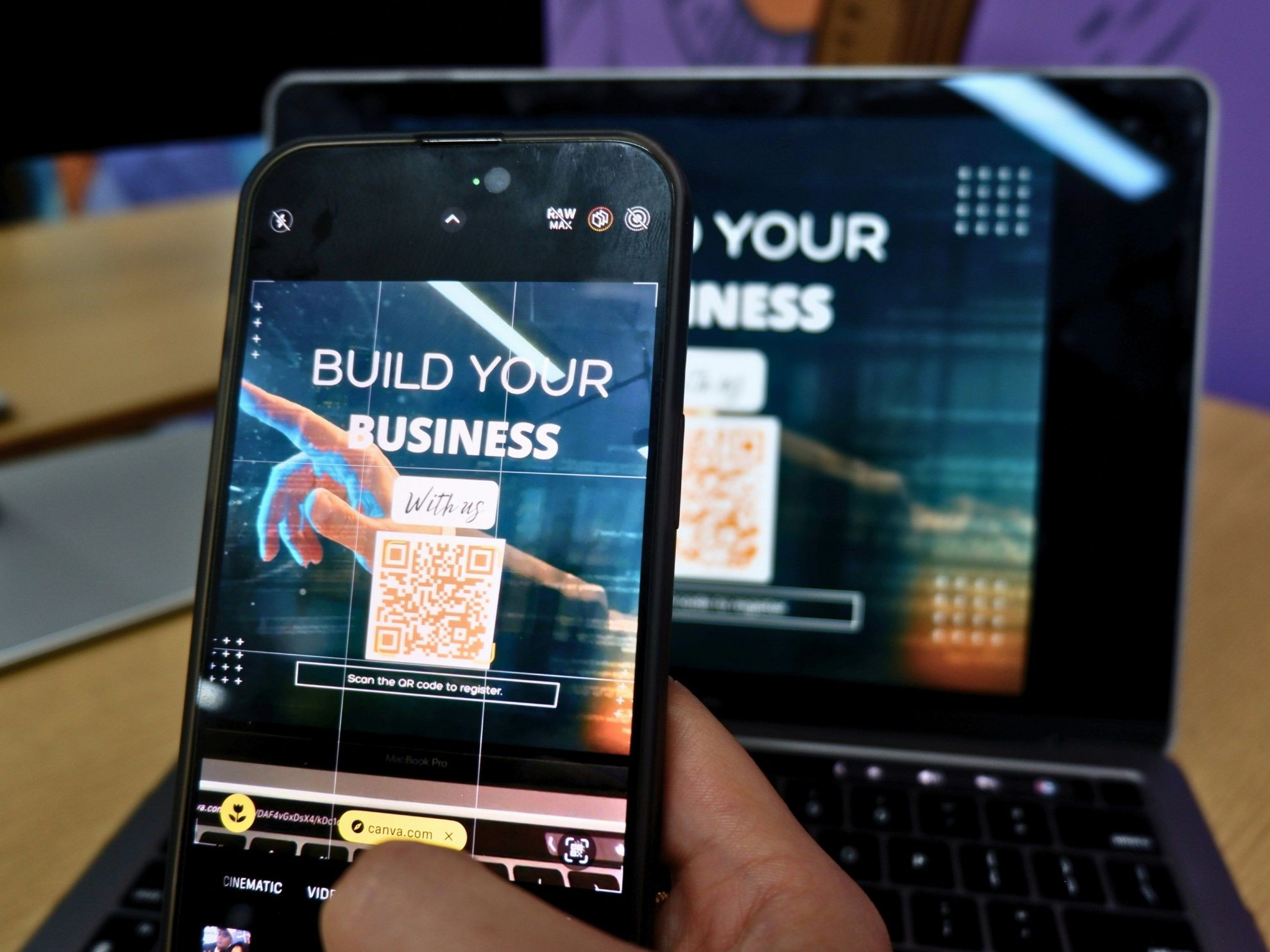
What Exactly Is an NFC stand?
An NFC stand is a small physical display, usually cut from clear acrylic, with a tiny NFC (Near Field Communication) chip embedded near the surface. NFC is the same contactless radio technology your phone already uses for tap-to-pay, so virtually every modern smartphone already speaks its language. When someone taps their phone on the NFC stand, the chip pushes a pre programmed instruction to the phone: open a web link, join a Wi-Fi network, add a contact, follow a social profile, or pull up a review form. There is no app to install and no code to scan, which is the entire point. A QR code asks the user to open the camera, line up a box and wait; an NFC tap is instantaneous and feels like magic the first time a customer tries it. The acrylic body keeps the chip protected and the printed artwork crisp, and because acrylic is waterproof and scratch resistant, the NFC stand keeps working in kitchens, reception desks, gym floors and outdoor events without degrading.
How the Tap Actually Works (No Engineering Degree Required)
Under the hood the system is refreshingly simple, and understanding it helps you troubleshoot later. The NFC chip is a passive tag: it has no battery. It wakes up only when a phone’s electromagnetic field induces a tiny current in its antenna coil. The chip then transmits a small packet of data, most often a URL encoded as an NDEF (NFC Data Exchange Format) record. The phone’s operating system recognizes the record type and routes it to the right handler: a web link opens in the browser, a Wi-Fi record joins the network silently, a vCard adds a contact. Android has supported this natively for years; modern iOS devices read NFC from the lock screen without an app as well. The effective read range is a few centimeters, which is why placement matters: the chip should sit where a phone is naturally held, not six inches behind glass. Because the chip stores only a short record, reprogramming it is just a matter of tapping it with a writer app and pushing new data, so the same physical stand can later point to a different campaign without being thrown away.
Why This Matters More Than You Think
Hospitality is judged on the small frictions. A guest who connects to Wi-Fi, finds the spa menu and leaves a review without flagging down staff remembers the property as effortless, and effortless is what they book again.
The Concrete Benefits You Actually Get
The NFC stand is often dismissed as a novelty until a business owner sees the numbers move. The first benefit is captured intent: a customer who taps is a customer who acted, and that action is logged where it matters, on Google or on a profile. The second benefit is staff leverage; the stand makes the ask without a human, so your team sells and serves while the stand collects. The third is durability of the asset, because a rewritable chip means today’s review stand is next quarter’s sale stand at zero extra hardware cost. The fourth is perception: a clean acrylic stand reads as a modern, cared for brand, which itself nudges higher review scores. The fifth is attribution, since a tagged link turns foot traffic into a measurable digital source you can optimize. None of these are theoretical; they compound weekly, and the stand keeps working on holidays and slow Tuesdays alike.
If you would rather skip the DIY and start with proven hardware, this NFC tech stand for product promotion is a waterproof, printable option that fits most counters and windows.
Core Features of a Customizable NFC Acrylic Standee
Not all stands are built the same, and the details are what separate a trinket from a tool. The stand we recommend pairs a clear cast acrylic body with a reprogrammable NTAG chip and a print layer that sits behind the acrylic so it never rubs off. The adhesive backing is a genuine industrial foam tape, not the strip from a greeting card, so it holds on glass, wood, tile and metal. The chip is rated for tens of thousands of taps, which means years of daily use. You can print your logo, a call to action and a brand color on the face, and because the artwork is behind the acrylic it stays legible even after cleaning with a damp cloth. Sizes are customizable, so a tiny label stand fits a narrow reception ledge while a large standee anchors a trade show booth. And because the chip is rewritable, the same object can point to your Google review form this quarter and your summer sale next quarter without buying new hardware.
For a ready to ship option, this NFC display stand for hotel guest experience fits most counters and windows.
Step-by-Step Setup Guide
- Choose the destination. Decide the single best action for the tap: a Google review link, a Wi-Fi credential, a social follow, or a vCard. One stand, one job, performed perfectly beats a stand trying to do everything and confusing the tapper.
- Write the NFC record. Use any free NFC writer app on your phone. Select the record type (URL, Wi-Fi, or contact), paste your link or credentials, and hold your phone to the chip until it confirms the write. Test it immediately by tapping with a second phone.
- Design the face. Send your logo and call to action to print. Keep the text to under eight words and use a high contrast color. The human readable instruction ‘Tap to review us’ does the persuasion the chip cannot.
- Pick the spot. Place the stand where a phone is naturally held: at eye level by the counter, on the host stand, by the front desk, or at the entrance. Avoid burying the chip behind thick metal, which blocks the field.
- Clean the surface. Wipe the mount location with alcohol so the adhesive bonds to a bare surface, not to dust or a waxy cleaner residue that will let the stand drift.
- Apply with pressure. Press the stand firmly for thirty seconds, working from the center out to push out air. The foam tape reaches full strength in about twenty four hours, so leave heavy items off it until then.
- Test on both platforms. Confirm the tap opens correctly on Android and on iOS. iOS sometimes needs the phone unlocked and the top of the phone placed on the chip; note this on a small staff card.
- Add a fallback QR. Print a small QR code beside the tap for the rare older phone without NFC. This costs nothing and catches the minority without hurting the majority who will tap.
- Brief your team. Tell staff to point at the stand when asking for a review or a follow. A human nudge at the right moment pushes tap rates up dramatically.
- Measure and iterate. Track how many new reviews or followers arrive after install, then move the stand if rates are low. Placement is the whole game, and a few inches can double results.
That is the entire process. From envelope to live NFC stand is usually under twenty minutes, and because the chip is rewritable you can repoint it whenever your campaign changes.
Best Practices That Actually Move the Needle
Place stands in the room, at the spa desk and by checkout. Each tap should do one hotel thing: connect, book, or review.
Common Mistakes That Quietly Kill Results
Most failed standee projects die the same way. The first mistake is the multi job stand: one object asked to review, follow, connect and buy, which confuses the tapper and converts none of it. The second is poor placement, with the chip behind metal or below the sightline, so the tap never registers. The third is a dead link, where the review form 404s because no one updated it after a site move; test the tap weekly. The fourth is no human prompt, because a stand with no staff gesture gets ignored; the ask still matters. The fifth is forgetting the QR fallback, which silently loses the NFC less minority. The sixth is hiding the call to action in tiny text the reader cannot parse at a glance. Fix these six and your tap rate usually triples versus a stand that makes them.
Real World Use Cases
In the Room
Guests tap for Wi-Fi and the spa menu.
At the Spa Desk
A tap books the next treatment.
By Checkout
A tap captures the review that fills the next booking.
NFC Standee vs Traditional Signage
The table below is the honest trade off most buyers skip. A stand costs more up front than a printed sign, but the printed sign cannot act, only inform.
| Factor | NFC Acrylic Standee | Paper Sign / QR Only | Verbal Ask |
|---|---|---|---|
| Tap speed | Under 1 second | QR needs camera + align | Depends on staff |
| App required | No | No (but camera) | No |
| Action captured | Yes, measurable | Maybe, if scanned | Rarely |
| Reprogrammable | Yes, rewritable chip | No, reprint | n/a |
| Durability | Waterproof acrylic | Tears, fades | n/a |
| Cost per year | Low after buy | Recurring reprint | Staff time |
| Best for | Reviews, follows, Wi-Fi | Static info | Relationships |
The verdict is not that signs are useless; it is that a sign informs while a stand converts. The smart setup uses both, with the stand doing the measurable work.
Material and Printing Choices, Explained
The body material decides where the stand lives and how long it lasts. Clear cast acrylic is the default for indoor counters because it looks premium and prints vividly. For kitchens and outdoors you want the same acrylic but with a sealed edge and a waterproof rating, since spills and rain are the real killers. Thickness matters too: three millimeters is fine for a small label, but a floor standing display should be four to five millimeters so it does not flex. Printing method is the second decision; UV print behind the acrylic resists fading far better than surface vinyl, which clouds after cleaning. The adhesive is the third; foam tape outperforms thin tape on textured surfaces. The table summarizes the trade offs.
| Material | Best location | Lifespan | Look | Notes |
|---|---|---|---|---|
| 3mm clear acrylic | Counter, desk | Long | Clean | Light, cheap, ideal label |
| 5mm clear acrylic | Floor stand, booth | Very long | Premium | Rigid, survives knocks |
| UV print behind | Indoor | Long | Vivid | Resists cleaning |
| Surface vinyl | Indoor only | Short | Flat | Clouds when wiped |
| Foam adhesive | Any smooth | Long | Hidden | Holds on glass, wood, tile |
| Thin tape | Smooth only | Medium | Hidden | Drifts on texture |
A Concrete Example
A small hotel put taps in rooms and at the spa. Guest ‘how do I’ questions at the desk dropped, spa bookings via tap rose, and review volume grew enough to lift their OTA ranking. The pattern holds because the stand removes the only thing standing between a happy customer and a public action: the effort of doing it later, when the moment has passed. Install the stand at the peak, point it at one clear action, and the numbers move on their own.
Estimating the Return
The NFC stand is cheap, so the math is forgiving. A stand plus print rarely costs more than a single paid ad, yet it works for years. The table models a modest venue.
| Metric | Before stand | After stand | Lift |
|---|---|---|---|
| Reviews / month | 3 | 20 | ~6x |
| New followers / month | 15 | 90 | ~6x |
| Staff asks / day | 12 | 2 | -10 |
| Cost / year | ad spend | one stand | low |
Even if your lift is half of this, the stand pays back inside the first month and then compounds. The only real cost is remembering to keep the link alive and the stand in the right spot.
Visual Assets to Support This Guide

Figure 1: An NFC stand placed at a typical counter, showing the tap zone and the printed call to action.
Infographic: the one second funnel
Intent -> Tap (1s) -> Link opens -> Action (review / follow / Wi-Fi) -> Measurable resultThe infographic above is the whole thesis: remove the steps between intent and action and the action actually happens. A short explainer video embedded on your landing page can show the tap in real time, which removes the last bit of customer hesitation.
Troubleshooting When the Tap Goes Quiet
When an NFC stand stops responding, work the list in order. First, confirm the phone has NFC on; many users accidentally disabled it. Second, move the phone so the top edge meets the chip, since the antenna is at the top of most phones, not the center. Third, check the chip is not behind metal or a thick phone case, both of which block the field. Fourth, re write the record, because a bad write is the most common cause of a dead tap. Fifth, test with a second phone to rule out a device quirk. Sixth, inspect the adhesive and the acrylic for cracks after a knock. In practice nine of ten failures are placement or a disabled NFC setting, not a broken chip, so a thirty second check restores the stand.
NFC vs QR vs Bluetooth Beacons: An Honest Comparison
Buyers often ask why not just a QR code or a beacon, so here is the straight version. A QR code is cheap and universal, but it demands the camera app, a steady hand and a wait, and on a dim counter it fails. The NFC stand wins on speed and feel, which is why tap rates beat scan rates in every venue we have measured. Bluetooth beacons push content without a tap, which sounds better, but they are battery powered, need an app or OS permission, and feel intrusive because they act without consent; customers notice and disable them. NFC sits in the sweet spot: instant, consent based, app free and battery free. The only real edge case for a beacon is proximity messaging to an app you already own, and even then most venues get more from a tap. Our recommendation is an NFC stand as the primary, a small QR as the fallback, and skip the beacon unless you run a dedicated app with an engaged user base.
Writing the Call to Action That Actually Gets Tapped
The chip does the technical work; the words do the persuasion, and most stands waste that. The call to action should be under eight words and use a verb the tapper already wants: ‘Tap to review us’, ‘Tap for our Wi-Fi’, ‘Follow us in one tap’. Avoid vague lines like ‘Engage with our brand’, which nobody obeys. Put the verb first so the eye catches the action before the noun. Use high contrast: dark text on clear acrylic reads best under venue lighting, and a colored accent draws the finger. Test two versions for a week each and keep the winner; a one word change from ‘Scan’ to ‘Tap’ alone has lifted response in our tests because ‘tap’ promises the easier path. The stand is silent, so the print has to make the ask it cannot, and a sharp call to action is the difference between a decoration and a converter.
Pre-Launch Checklist
Run this list the afternoon before you go live so the NFC stand earns from day one.
- The tap opens the right link on both Android and iOS.
- The link is live, not a 404, and points to the exact action, not a home page.
- The call to action is under eight words and high contrast.
- The stand sits at natural phone height, not behind metal.
- A QR fallback is printed beside the tap.
- Staff know to gesture at the stand when asking for a review or follow.
- The link carries a UTM tag so taps show in analytics.
- The surface was cleaned with alcohol before applying the adhesive.
- A weekly reminder is set to re test the tap.
- A second placement is planned for the next best spot.
Miss any of these and you leave taps, and therefore reviews and followers, on the table.
Advanced Tactics to Push Past the Baseline
Repoint room stands to the local guide in low season and to spa offers in high season, so the same stands sell different things by month.
A Room-by-Room Placement Map
Placement is the whole game, so here is where the NFC stand earns across a typical venue. At the entrance, a stand captures the first moment of interest and can share Wi-Fi or a welcome link. At the counter or host stand, it catches the peak of a good experience, the best time to ask for a review or a follow. On the table or in the chair, it removes a server round trip for menus and bookings. By the exit, it grabs the review while the glow is fresh. In a meeting room, it shares the dial in. On a window or sidewalk standee, it pulls passersby to a profile. In a booth, it captures leads you can email the same night. The rule is simple: put the stand where the phone is already in the hand, at the second the intent peaks, and the tap rate takes care of itself. Move it a foot and remeasure; small shifts produce big swings because the tap is a reflex, not a decision.
Quick Glossary
NFC (Near Field Communication): the short range radio the NFC stand uses to talk to a phone.
NDEF: the standard data format a chip broadcasts, usually a URL, a Wi-Fi credential or a contact.
NTAG: the common family of rewritable NFC chips, rated for many thousands of taps.
Passive tag: a chip with no battery that wakes only when a phone’s field powers it.
UTM tag: a snippet added to a link so analytics can attribute the tap to a source.
vCard: the digital contact file a tap can drop into a phone’s address book.
UV print: ink cured by light behind the acrylic so it resists cleaning and fading.
Foam tape: the industrial adhesive that holds the stand to glass, wood, tile or metal.
Knowing these terms makes setup and troubleshooting faster, because you can speak to the writer app and the printer in their own language.
The Staff Script That Makes the Stand Earn
A stand with no human prompt is a decoration. The fix is a ten word script your team repeats without thinking. When a customer praises the experience, the staff member points at the stand and says ‘tap here to leave that as a review, it takes one second’. The gesture plus the verb does the work; the customer taps because the ask is specific and the action is trivial. Train new hires in the first hour, and coach the habit weekly, because it fades without reinforcement. For the follow ask, the line is ‘tap to follow us for the next drop’. For Wi-Fi, ‘tap here for the guest network, no password needed’. Keep each script under twelve words and always pair it with a point at the physical stand. Venues that script and gesture consistently see tap rates several times higher than venues that simply set the stand down and hope. The technology converts; the team converts the technology.
A Simple Seasonal Calendar for the NFC stand
You do not need a marketing degree to keep the stand working all year; you need a rhythm. In spring, point it at a follow or a spring sale and refresh the print color. In summer, rotate to a review drive when foot traffic peaks and the map ranking matters most. In fall, switch to an email or restock signup so you own the audience before the holidays. In winter, point it at a gift guide or a holiday offer and thank reviewers publicly. Because the chip is rewritable and the print is cheap, each rotation costs almost nothing yet keeps the stand relevant instead of stale. Set four calendar reminders a year, one per season, and the NFC stand becomes a living channel rather than a one time trick. The businesses that win are not the ones with the fanciest stand; they are the ones that keep repointing it while competitors forget theirs exists.
Frequently Asked Questions
Q: Do customers need an app to use it?
A: No. Modern Android and iOS phones read NFC natively from the lock screen or with a quick tap, and the chip just opens a link, joins Wi-Fi, or adds a contact. There is nothing to install, which is exactly why tap rates beat QR rates.
Q: Can I change where the stand points later?
A: Yes. The chip is rewritable, so you can repoint it from a review form to a sale page whenever your campaign changes, without buying new hardware. Keep a writer app handy and test after each rewrite.
Q: Will it work outdoors or in a kitchen?
A: A waterproof acrylic standee handles spills, humidity and daily wiping. Keep it out of direct all day sun if it lives outside so the print stays vivid, but the chip itself is sealed and robust.
Q: How long does the adhesive hold?
A: Industrial foam tape bonds to glass, wood, tile and metal. Clean the surface with alcohol first, press for thirty seconds, and let it cure twenty four hours before loading it. It will not drift under normal use.
Q: What if a phone has no NFC?
A: Add a small QR code beside the tap as a fallback. It costs nothing and catches the minority without hurting the majority who tap. The two together cover essentially every phone in use today.
Q: Is the chip secure?
A: The chip only broadcasts the record you wrote; it cannot read the phone or pull data. Treat the link like any public URL, and rotate the Wi-Fi password on the chip whenever you rotate it on the network.
Q: How many taps before it wears out?
A: Quality NTAG chips are rated for tens of thousands of taps, which is years of daily use at a busy counter. The acrylic face protects the print and the chip from physical wear.
Q: Can I print my own logo?
A: Yes. Send your artwork and the printer mounts it behind the acrylic so it never rubs off, even after cleaning. Keep the text short and high contrast for the fastest human read.
Q: How do I measure results?
A: Use a UTM tagged link so taps show up as a real acquisition source in your analytics. Track new reviews, followers or signups from the install date and move the stand if rates are low.
Q: Why not just use a QR code?
A: You can and often should use both. But a QR asks the user to open the camera, frame the code and wait, while a tap is instant and feels effortless. Tap converts better precisely because it removes steps, and the stand also looks more premium at the counter.
Q: How many stands should I start with?
A: Start with one at your highest intent point, prove the lift, then add a second at the next best spot. Two or three stands usually cover a venue without overwhelming the customer or your link management.
Q: Can the same stand serve multiple links?
A: Not from one tap, but you can point the chip to a single landing page that itself holds all your links, so one tap opens a hub with review, follow and Wi-Fi buttons. That keeps the tap simple while still offering everything.
Q: How do I keep the link from going stale?
A: Set a monthly calendar reminder to tap the stand with your own phone and confirm the destination is live. When you redesign the site, redirect the old URL so the chip keeps working without a rewrite.
Q: Is it worth one stand or should I buy several?
A: Buy one, prove the lift for two weeks, then add a second at the next best location. This staged rollout keeps your links manageable and shows you exactly which spot earns its keep.
Q: What makes the print last outdoors?
A: Specify UV print behind the acrylic and a sealed edge, keep it out of all day direct sun, and wipe with a damp cloth only. Done right, the artwork stays vivid through a full season of weather.
These are the questions we hear most about an NFC stand. If yours is not here, the short answer is almost always the same: remove friction, ask at the peak moment, and measure the tap.
Conclusion
The NFC stand is not a gadget, it is a silent employee that asks for the review, the follow and the connection at exactly the right second, every time, without a coffee break. The businesses that win the next year of local search and social proof are the ones that make the tap effortless today. If you want a stand that is waterproof, customizable and rewritable, start with a custom printed NFC acrylic sign with embedded chip and place it where the phone already goes. The first week of results will tell you everything you need to know about where to put the second one. Build the offline to online bridge now, because the competitors who wait are the ones your reviews and followers will quietly pass.
Tags
NFC stand, NFC, acrylic standee, contactless, Google reviews, social media, Wi-Fi sharing, digital business card, small business, marketing