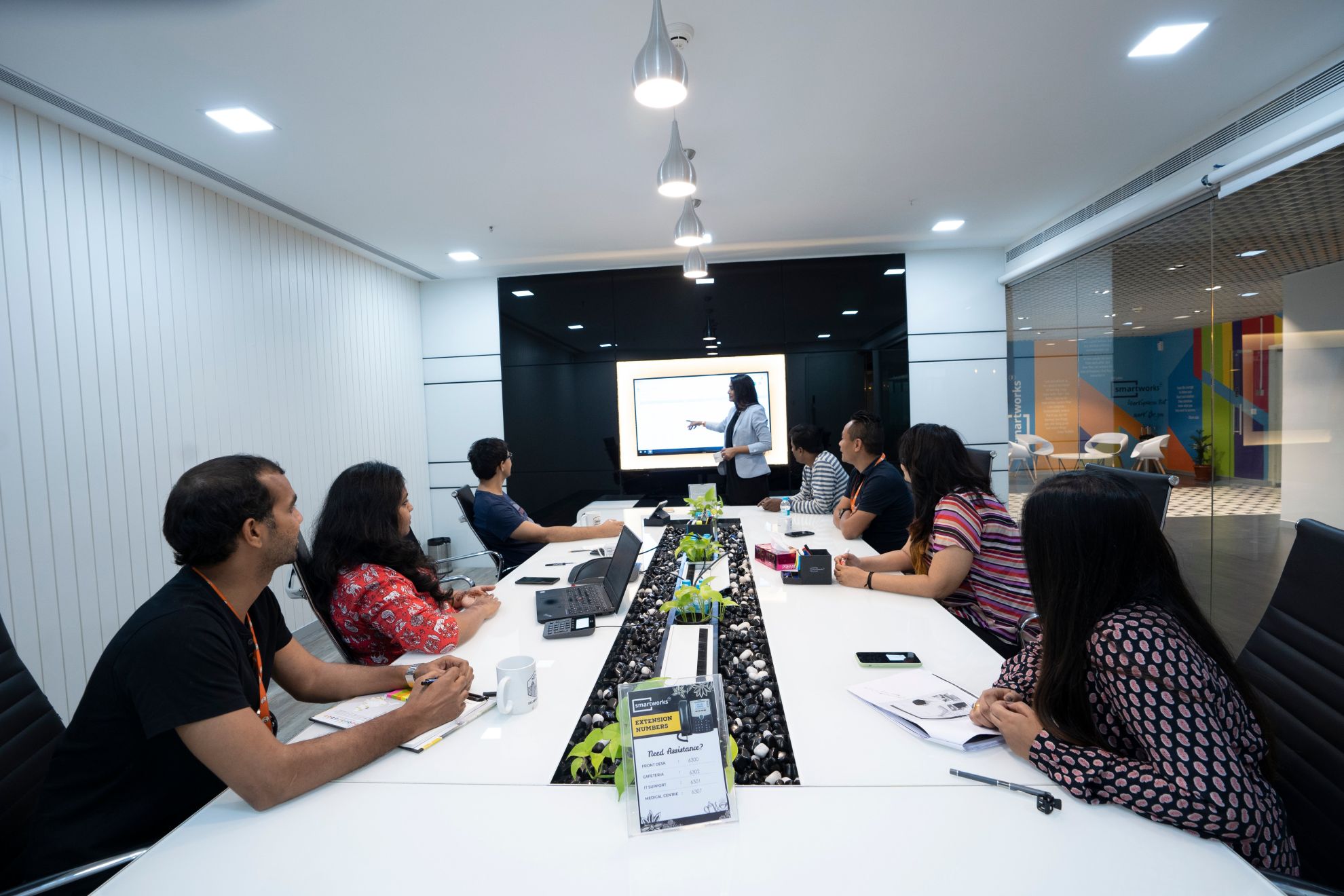
The Role of a Shenzhen Trading Service Company in Supplier Training and Capability Building
Developing supplier capabilities is a strategic investment that pays long-term dividends. A Shenzhen trading service company with training expertise helps you build supplier capabilities through structured training programs. Understanding the role of a Shenzhen trading service company in supplier training and capability building improves your entire supply chain.

Why Supplier Training Matters
The Value of Capability Building
Quality improvement: Trained suppliers produce higher quality products with fewer defects.
Reduced management burden: Capable suppliers require less oversight and intervention.
Faster problem resolution: Well-trained supplier teams resolve issues faster and more effectively.
Long-term partnerships: Investing in supplier capabilities strengthens relationships and loyalty.
| Training Area | Impact | Timeline | Investment |
|---|---|---|---|
| Quality management | Defect reduction 20-40% | 3-6 months | $3,000-10,000 |
| Production processes | Efficiency +15-30% | 4-8 months | $5,000-15,000 |
| Compliance and safety | Compliance improvement | 2-4 months | $3,000-8,000 |
| Management systems | Overall capability | 6-12 months | $10,000-25,000 |
How a Trading Company Delivers Training
Needs assessment: Your trading company assesses supplier training needs.
Training design: They develop training programs tailored to supplier gaps.
Training delivery: They deliver training on-site or virtually.
Effectiveness measurement: They measure training impact on performance.
Training Program Components
Quality Management Training
Topics covered:
- Quality management principles
- Inspection and testing methods
- Statistical process control (SPC)
- Corrective action processes
- Documentation and record-keeping
Production Training
Topics covered:
- Process optimization
- Lean manufacturing principles
- Equipment maintenance
- Worker skill development
- Production planning
Compliance Training
Topics covered:
- Regulatory requirements
- Compliance documentation
- Safety and environmental standards
- Social compliance requirements
Management Training
Topics covered:
- Management systems
- Communication skills
- Problem-solving methodologies
- Continuous improvement culture
Training Delivery Methods
On-Site Training
Advantages: Hands-on, tailored to factory environment, direct interaction.
Disadvantages: Travel costs, scheduling constraints.
Best for: Process and quality training, hands-on skills.
Virtual Training
Advantages: Lower cost, flexible scheduling, repeatable content.
Disadvantages: Limited hands-on practice, engagement challenges.
Best for: Knowledge-based training, refresher courses.
Blended Approach
How it works: Combine virtual knowledge training with on-site practical application.
Advantages: Best of both approaches—cost-effective and practical.
Best for: Comprehensive capability building programs.
For supplier training support, China Sourcing Agent Services provides training program coordination.
Frequently Asked Questions (FAQ)
Q1: How do I identify which suppliers need training?
Assess: supplier performance (defect rates, on-time delivery), audit results (capability gaps), certification status (do they meet standards?), and improvement potential. Your trading company conducts needs assessments.
Q2: How much does supplier training cost?
Simple training modules: $500-2,000 per session. Comprehensive programs: $5,000-20,000 per supplier. Training costs are an investment that typically pays back within 6-12 months through improved performance.
Q3: How do I measure training effectiveness?
Measure: performance metrics before and after training (defect rates, efficiency), skill assessments, training completion rates, and qualitative feedback from suppliers and your team. Your trading company tracks training outcomes.
Q4: What if suppliers don’t want training?
Frame training as a benefit, not a requirement. Offer training as part of your partnership investment. Recognize suppliers who complete training. For critical gaps, consider whether the supplier can meet your requirements without training.
Q5: Can I share training costs with suppliers?
Yes. Cost-sharing models vary: buyer pays fully (investment in key suppliers), supplier pays fully (self-improvement), or shared 50/50. The right model depends on the importance of the supplier and the training topic.
Conclusion
Supplier training and capability building improve your entire supply chain. A Shenzhen trading service company helps you assess needs, design programs, deliver training, and measure impact. With professional capability building, your suppliers improve their quality, efficiency, and reliability.
Tags and Keywords: Shenzhen trading service company, supplier training, capability building, supplier development, quality training, skill development, workforce training, supply chain capability, supplier education, performance improvement